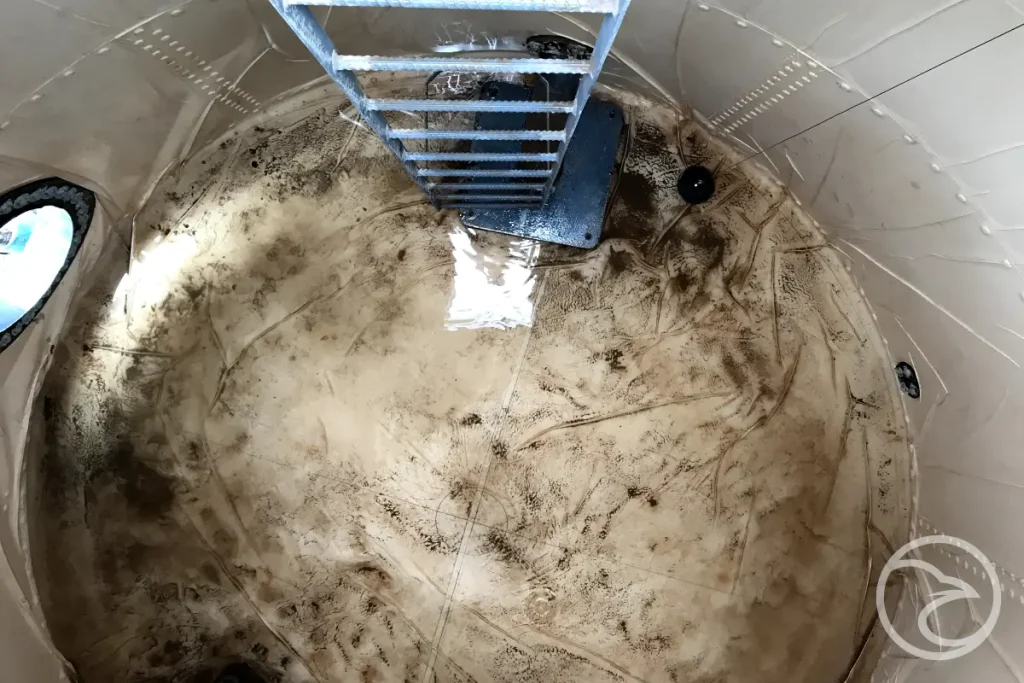
A Practical Look at Tank Assessment Advantages and Limits
Water storage tanks—whether used for industrial operations, commercial buildings, fire protection or municipal systems—require consistent monitoring to remain safe and functional. Over time, tanks can develop structural issues, coating deterioration, sediment buildup and other changes that impact performance. That’s why routine evaluations are essential. Understanding the main tank assessment advantages and the potential drawbacks helps facilities choose the right inspection approach and plan maintenance effectively. This article provides an in-depth look at the benefits and limitations of modern tank assessments, including visual checks, remote inspection tools, internal evaluations and advanced monitoring techniques. Why Tank Assessments Matter Storage tanks operate under conditions that naturally lead to wear and degradation. Environmental exposure, constant contact with water and changes in temperature all affect tank performance. Without proper assessment, early warning signs may go unnoticed, leading to: Regular assessments provide clarity about a tank’s condition and help facilities prevent small issues from turning into major failures. Key Tank Assessment Advantages 1. Early Detection of Structural Issues One of the biggest advantages is the ability to identify problems before they threaten tank stability. Assessments can reveal: Early detection enables timely repairs and extends the service life of the tank. 2. Improved Maintenance Planning Assessment data gives facility managers insight into what maintenance is needed and when. Instead of guessing, operators can schedule repairs, cleaning or coating updates based on actual tank conditions. This helps: Planned maintenance leads to safer and more cost-efficient operations. Many facilities also rely on additional methods used for remote tank evaluation to support more accurate maintenance planning and documentation. 3. Better Water Quality Protection Sediment, biological growth and coating breakdown all affect water quality. Regular assessments help identify: This is especially important for potable water systems, fire water reserves and industrial processes that require clean, contaminant-free water. 4. Enhanced Safety for Personnel Many modern assessment techniques minimize the need for confined-space entry. Methods such as remote visual inspections, underwater ROVs and drone-assisted evaluations significantly reduce risks for inspection teams. Avoiding confined-space entry means: This makes assessments safer and more efficient for all involved. 5. More Accurate Documentation Accurate visual records support long-term monitoring. Photos, videos and measurement data help facility owners understand how a tank changes over time. This is valuable for: Consistent documentation builds a more complete understanding of tank condition and helps support better operational decisions. Potential Drawbacks of Tank Assessments While assessments offer significant benefits, certain limitations should be considered when choosing the right method. 1. Limited Access in Some Tank Designs Some tanks have narrow hatches, complex internal layouts or irregular shapes that restrict access. This can make it harder to capture full internal views, especially: Additional tools or partial draining may be required in such cases. 2. Visibility Issues in Low-Clearance Conditions Turbid water, heavy sediment or poor lighting can reduce visibility during inspections. Even ROVs experience challenges when: In these situations, cleaning or additional lighting may be needed. 3. Cost Considerations for Advanced Tools Some high-tech assessment methods—such as ultrasonic testing or underwater drones—can require specialized equipment and trained operators. Although cost-effective long-term, they may have higher upfront expenses. 4. Tank Downtime for Manual Entry When a full internal walk-through is required, facilities may need to: This process can temporarily disrupt operations or fire suppression readiness. 5. Variation in Assessment Accuracy Different methods provide different levels of detail. For example: Combining multiple methods improves overall accuracy. Choosing the Right Assessment Method The best method depends on: In many cases, facilities use a combination of internal inspection, remote tools and visual monitoring to create a full picture of tank condition. Modern facilities increasingly adopt modern technologies used in advanced tank monitoring to collect clearer visual data and minimize downtime during assessments. Conclusion Understanding the main tank assessment advantages – and the limitations of various methods—helps facility operators choose appropriate techniques and maintain safe, reliable water storage systems. Whether using traditional internal inspections or advanced remote tools, regular assessments play a vital role in protecting water quality, preventing structural failures and supporting long-term asset management.
A Practical Look at Tank Assessment Advantages and Limits Read More »