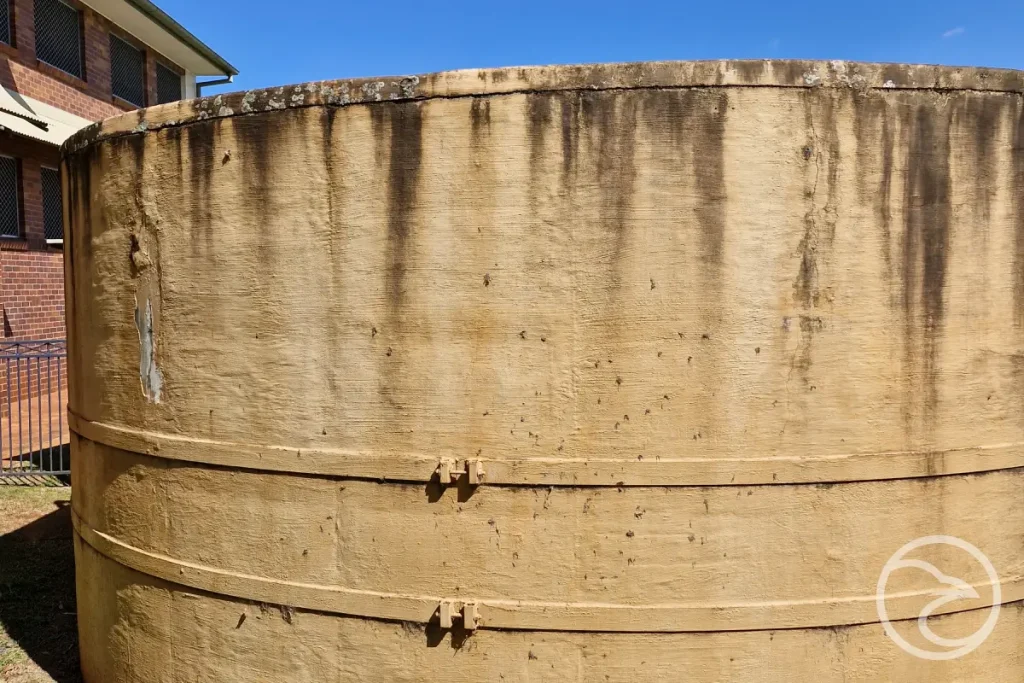
The Dangers of Neglecting Water Tank Maintenance

A neglected water tank can become a breeding ground for bacteria and algae. Stagnant water conditions allow microorganisms like Legionella to thrive, while debris buildup can damage pumps, filters, and other system components. Proactive maintenance is essential for safe operations and the long-term reliability of storage facilities. A well-structured maintenance plan should include regular tank cleaning to prevent contamination and system failures. Without proper upkeep, debris and corrosion-causing contaminants can accumulate, forming sludge on tank walls and floors. This not only reduces storage efficiency by accelerating oxidation but also poses environmental and workplace safety risks. Routine inspections and cleaning help ensure a safe, efficient, and compliant water storage system. Tank cleanings are frequently required as part of regulatory inspections, and workers must perform them on a regular basis depending on the materials stored in tanks. Consider cleaning tanks during routine maintenance or repair periods to reduce lost productivity and downtime. Plant managers, for example, can schedule routine metal tank cleanings during planned plant turnarounds or shutdowns, as a cessation of activity and production can provide ideal conditions for tank cleaning. Cleaning storage tanks prior to material changeovers is also important to prevent old materials from contaminating new ones. Tank cleanings, like all activities related to plant and facility maintenance, can be a dangerous procedure that workers must carry out with extreme caution. Water contamination can cause illnesses such as diarrhea, cholera, typhoid, and lead poisoning. The simple act of cleaning your water tank may help to protect your family from water-borne diseases. If disease isn’t enough of an incentive to get you to clean your water tank, we’re hoping that economic principles will. Periodic maintenance of your water tank is far less expensive than costly last-minute repairs. Regular upkeep of your water tank ensures that your water tank provides you with clean water at all times and is functioning at optimum levels.   Tank Cleaning Hazards   Potential hazards vary greatly; however, proper tank cleaning planning should include risk mitigation strategies to reduce threats. Tanks are, by definition, confined spaces. The lack of airflow and light, poses unique challenges for workers entering and exiting tanks. Other potential hazards include: Using trained professionals for all tank cleanings is frequently the best option for avoiding employee health hazards or environmental hazards and mitigating risk.     Tank Cleaning Safety Tips   Using trained professionals for all tank cleanings is frequently the best option for avoiding employee health hazards or environmental hazards and mitigating risk. Neglecting to clean your tanks can be dangerous; however, cleaning tanks without the proper safety measures in place can be just as dangerous, if not more so. Consider seeking professional assistance to achieve the best results for keeping your facility, employees, and the environment safe, as well as your tanks clean. To discuss any of the concepts described here in more detail, our friendly and experienced customer service team can help. We offer tried and tested services around Houston, Texas and Longbeach, California. Call Raven American Tanks at +1 800 656 0167 Or email at info@amtanks.com

The Dangers of Neglecting Water Tank Maintenance Read More »